


Jump to a section
Choosing the right mirrorless camera can feel overwhelming, especially with so many sensor sizes, autofocus systems, and video capabilities competing for your attention.
Whether you’re a first-time buyer stepping up from a smartphone or an experienced photographer searching for a professional-grade body, the mirrorless market in 2026 has something for every skill level and budget.
Our editorial team has independently researched, compared, and evaluated models from Sony and Canon to bring you this focused guide.
Mirrorless cameras outperform older DSLR designs in nearly every measurable way: faster subject-tracking autofocus, real-time electronic viewfinders that show you the final exposure before you shoot, and significantly more compact body designs.
Pair any of these cameras with quality glass and you’ll capture images your smartphone simply cannot replicate. If you’re also building out your home setup, a capable photo printer is a natural companion for bringing your best shots to life.
The ten cameras below span entry-level APS-C bodies priced for beginners all the way up to full-frame hybrid powerhouses aimed at professionals. We’ve organized everything to help you match the right camera to your actual shooting needs, not just the specs sheet.
Top Mirrorless Cameras to Consider in 2026

Pros
- Smallest and lightest camera in the EOS R series, perfect for mobile creators
- Advanced autofocus system with 143 zones and intelligent subject detection
- DIGIC 8 processor delivers excellent image quality and fast performance
- True mirrorless design with interchangeable lens capability for future expansion
- Great value for a full-frame-mount camera with 4K capability
Cons
- 4K video is limited to 24fps, which is slower than some competing entry-level cameras
- No in-body image stabilization, so you'll want lenses with built-in stabilization for smooth video
The Canon EOS R100 represents a smart entry point into mirrorless photography. With its 24.1MP APS-C sensor and DIGIC 8 processor, this camera delivers sharp, detailed images with pleasing color reproduction straight out of the box. The compact form factor makes it genuinely portable, which matters when you're deciding between leaving your camera home or bringing it along. For someone transitioning from smartphone photography, the image quality and creative control are a noticeable step up.
Video performance is a strong suit for content creators on a budget. You get 4K recording at 24fps, Full HD at 60fps, and even HD at 120fps for slow-motion work. The autofocus system is particularly impressive, with 143 focus zones and intelligent detection for faces, eyes, animals, and vehicles. This means you can focus on composition rather than constantly adjusting focus settings, whether you're shooting stills or video. The continuous shooting rate of 6.5fps is solid for capturing fleeting moments.
The real value lies in the RF lens ecosystem. While the included RF-S 18-45mm kit lens is a capable starter optic, you're buying into Canon's future. The R100 body accepts the full range of RF lenses, meaning your investment grows with your skills. Wi-Fi and Bluetooth connectivity round out the package, making it easy to transfer images to your phone or control the camera remotely for creative shots.
| Sensor Type | 24.1MP CMOS (APS-C) |
| Image Processor | DIGIC 8 |
| Video Recording | 4K at 24fps, Full HD at 60fps, HD at 120fps |
| Autofocus System | Dual Pixel CMOS AF, 143 zones, face/eye/animal/vehicle detection |
| Continuous Shooting | 6.5 fps (One-Shot AF) |
| Included Lens | RF-S 18-45mm F4.5-6.3 is STM |
| Connectivity | Wi-Fi, Bluetooth |
| Body Design | Compact, lightweight (smallest in EOS R series) |
| Color | Black |
Who Should Buy This? The EOS R100 is ideal for beginner photographers, vloggers, and content creators who want quality above smartphone level without professional-grade pricing. It's also great for travel photographers who value portability.
Lens Ecosystem Matters You're not just buying a camera; you're investing in Canon's RF lens system. Consider your long-term needs. The kit lens is versatile for general shooting, but you may want to budget for additional lenses as your skills develop.
Video Creators Take Note If 4K at 24fps feels limiting, consider your actual needs. For social media, YouTube, and most content, this performs well. However, if you need 4K at 60fps, look at alternatives in a higher price bracket.
Stabilization Consideration The lack of in-body stabilization means handheld video benefits from lenses with built-in IS. The kit lens doesn't have it, so budget for stabilized lenses if smooth video is a priority.
Image Quality The 24.1MP sensor produces excellent detail and color accuracy. The APS-C format gives you a nice field of view with the kit lens while maintaining shallow depth of field capability for creative portraits.
Autofocus Performance The Dual Pixel CMOS AF system is fast and reliable for both stills and video. Face and eye detection work consistently well in varied lighting, making it forgiving for beginners while offering the precision experienced photographers expect.
Build and Handling The compact body is genuinely easy to carry and handle. Controls are logically placed and menu navigation is intuitive. Battery life is adequate for a full day of shooting with one spare battery.
Video Workflow 4K files are manageable in size compared to some competitors. The 24fps frame rate is standard for cinema-style work, though it requires adjustment if you're used to 30fps or 60fps from other cameras.

Pros
- Exceptional autofocus performance with reliable subject tracking and face detection
- Compact, lightweight build makes it ideal for on-the-go content creation
- In-camera vertical video mode optimizes footage directly for Instagram and TikTok
- Includes everything needed to start shooting: lens, bag, and ample storage
- Intuitive interface and Creative Assist features lower the learning curve for beginners
Cons
- Limited lens options at launch compared to established mirrorless systems
- Battery life is modest for extended shooting sessions without spare batteries
The Canon EOS R50 stands out as an exceptionally well-rounded entry-level mirrorless camera designed specifically for modern content creators. Its lightweight construction and intuitive touchscreen interface make it accessible to beginners, while the oversampled 4K video and Dual Pixel AF II autofocus deliver results that rival cameras at significantly higher price points. The inclusion of Creative Assist guides provides real-time learning opportunities, helping new users understand composition, exposure, and shooting techniques as they work.
For vloggers and social media creators, the R50 excels with purpose-built features like vertical video mode and automatic face/eye detection during recording. The vari-angle touchscreen eliminates the frustration of awkward shooting angles, and the compact 18-45mm RF lens covers the focal lengths most creators need daily. The kit bundle is thoughtfully assembled, arriving with a protective shoulder bag and 64GB memory card so users can begin creating immediately without additional purchases.
The R50's autofocus system demonstrates impressive reliability across various lighting conditions and subject types, maintaining smooth tracking even during dynamic movement. While the RF lens ecosystem is still growing compared to other mirrorless platforms, the included lens handles the majority of everyday shooting scenarios effectively. This camera represents excellent value for anyone serious about content creation but hesitant about the complexity and cost of professional-grade equipment.
| Specification | Details |
|---|---|
| Camera Model | Canon EOS R50 |
| Sensor Type | APS-C CMOS |
| Video Resolution | 4K (Oversampled) |
| Autofocus System | Dual Pixel AF II with Face/Eye Detection |
| Included Lens | RF 18-45mm f/4.5-6.3 IS STM |
| Screen | Vari-Angle Touchscreen |
| Video Features | Vertical Video Mode, Creative Assist |
| Memory Card | 64GB UHS-I SDXC |
| Included Accessories | Shoulder Bag, Memory Card |
| Mount Type | Canon RF Mount |
| Best For | Vloggers, Beginners, Content Creators |
Who Should Buy This Camera? The R50 is ideal for aspiring content creators, vloggers, and photography beginners who want professional-quality results without technical complexity. If you're starting a YouTube channel, building a TikTok presence, or learning photography fundamentals, this camera removes barriers to entry.
Is This Better Than Smartphone Video? Yes. The R50 delivers superior image quality, better low-light performance, and professional autofocus capabilities that smartphone cameras cannot match. The ability to change lenses and control exposure manually opens creative possibilities smartphones simply don't offer.
What About Storage? The included 64GB card handles approximately 1-2 hours of 4K video. For extended shooting sessions, consider purchasing additional memory cards. UHS-I cards are affordable and widely available.
Can I Use Other Lenses? Yes. The RF mount connects to Canon's growing library of RF lenses, though third-party options are still limited. The included 18-45mm lens covers most everyday needs for beginners.
4K Video Performance The R50's oversampled 4K recording provides exceptional sharpness and detail. Dual Pixel AF II maintains focus during movement, crucial for vlogging where you're often talking directly to the camera while moving around.
Vertical Video Mode This is a game-changer for social media creators. The camera natively supports vertical shooting, optimizing the interface and autofocus for portrait orientation. Your footage is ready for Instagram Reels and TikTok without awkward letterboxing or rotation issues.
Face and Eye Detection The autofocus system automatically detects and tracks faces, keeping you sharp even when you're moving or adjusting your position. This feature alone saves hours of post-production focusing issues.
Creative Assist Tools In-camera guides provide real-time feedback on composition, exposure, and technique. These interactive tutorials help you develop skills while actually shooting, accelerating your learning curve significantly.

Pros
- Outstanding autofocus performance with 693 AF points provides reliable tracking for moving subjects
- Excellent battery life and weather-sealed body construction ensure durability for demanding shoots
- Complete kit includes everything needed to start shooting immediately
- Exceptional dynamic range and RAW processing flexibility for post-production control
- Proven reliability and extensive lens ecosystem for future growth
Cons
- Steep learning curve for beginners due to extensive menu system and advanced features
- No in-body image stabilization, requiring stabilized lenses or external support for handheld video
The Sony a7 III represents a significant achievement in mirrorless camera design, combining professional-grade performance with practical usability. The 24.2MP back-illuminated full-frame sensor delivers exceptional image quality with a 15-stop dynamic range, making it capable of capturing detail in both highlights and shadows. Whether you're shooting landscapes, portraits, or action sequences, this camera provides the versatility and image quality that serious photographers demand.
Autofocus performance is where the a7 III truly excels. With 693 phase-detection autofocus points covering 93% of the frame, subject tracking is remarkably accurate and responsive. The 10fps continuous shooting speed with full autofocus tracking makes it suitable for wildlife and sports photography, while the silent shutter option provides discretion for events and documentary work. The extended ISO range from 50 to 204,800 gives you creative flexibility in challenging lighting situations without sacrificing image quality.
As a complete system, the a7 III offers outstanding value. The included 28-70mm lens is a capable all-purpose optic, and the box contains everything you need to begin shooting immediately: battery, charger, shoulder strap, and protective accessories. The camera's compact form factor and intuitive button layout make it comfortable for extended shooting sessions. While the menu system requires some learning time, once mastered, the a7 III becomes an intuitive creative tool that won't hold you back from realizing your photographic vision.
| Sensor Type | 35mm Full-Frame Exmor R CMOS |
| Sensor Size | 35.6 x 23.8mm |
| Megapixels | 24.2MP |
| Dynamic Range | 15-stop |
| ISO Range | 50 - 204,800 |
| RAW Format | 14-bit Uncompressed |
| Autofocus Points | 693 Phase-Detection / 425 Contrast |
| AF Coverage | 93% of Image Frame |
| Continuous Shooting | Up to 10fps |
| Shutter Options | Silent or Mechanical |
| Included Lens | SEL2870 (28-70mm) |
| Included Accessories | Lens Hood, Lens Caps, Battery (NP-FZ100), AC Adapter, Shoulder Strap, Body Cap, Eyepiece Cup, Micro USB Cable |
Ideal For: Enthusiast and professional photographers transitioning to mirrorless, content creators, travel photographers, and anyone seeking a reliable full-frame camera with excellent autofocus and image quality.
Perfect If You: Want a compact full-frame system, need reliable autofocus for moving subjects, value dynamic range and RAW flexibility, or plan to build a collection of Sony E-mount lenses.
Consider Alternatives If: You require in-body image stabilization, need the absolute fastest autofocus on the market, or prefer a simpler interface with fewer customization options.
Image Quality: The 24.2MP sensor produces sharp, detailed images with excellent color accuracy. The 15-stop dynamic range allows extensive latitude in post-production, making this camera forgiving for exposure mistakes.
Autofocus Speed: Real-world autofocus is fast and reliable. Phase-detection AF is significantly quicker than contrast-based systems, making this camera suitable for fast-moving subjects and video work.
Video Capability: Capable of 4K recording with advanced color science. Without in-body stabilization, consider using stabilized lenses or a gimbal for smooth handheld footage.
Battery Life: Excellent endurance on a single charge, typically lasting 500-700 shots depending on usage patterns. The included battery and charger ensure you can keep shooting throughout the day.

Pros
- Exceptional autofocus performance with real-time eye and animal tracking keeps subjects sharp
- Powerful 33MP sensor and BIONZ XR processor deliver professional-grade image and video quality
- Comprehensive video features including 4K 60p and cinema color profiles rival cameras costing thousands more
- Complete kit with quality 28-70mm lens provides excellent value for hybrid photo-video creators
- Robust build quality and weather sealing ensure reliability in challenging shooting conditions
Cons
- Premium price point may challenge budget-conscious photographers despite strong feature set
- Steep learning curve for advanced features like S-Log3 and Focus Map requires time investment
The Sony Alpha 7 IV represents a mature evolution in full-frame mirrorless technology, combining a proven 33MP sensor design with a significantly enhanced processor that accelerates image rendering and file handling. The BIONZ XR engine's 8x performance improvement translates to faster burst shooting, quicker autofocus acquisition, and smoother video performance compared to previous generations. This camera excels at both stills and motion, making it genuinely versatile for photographers who occasionally shoot video or videographers who need reliable stills capability.
Video performance stands out as a major strength, with native 4K 60p recording in 10-bit 4:2:2 format providing the color depth and resolution demanded by professional productions. The inclusion of S-Log3 gamma and S-Cinetone color science gives colorists tremendous flexibility in post-production, while Focus Map provides visual feedback during focus transitions. Real-time Eye-AF works across humans, animals, and birds in both photo and video modes, eliminating missed focus moments in unpredictable shooting scenarios. These features justify the camera's position as a content creator's tool rather than a pure photography instrument.
The bundled 28-70mm lens provides a practical focal range for most everyday situations, though serious photographers will likely expand their lens collection. Weather sealing on both body and kit lens ensures confidence in outdoor and challenging conditions. The Alpha 7 IV demands patience to master its extensive menu system and advanced features, but this depth of control rewards dedicated users with professional-grade results.
| Sensor Type | 33MP Full-Frame Exmor R Back-Illuminated CMOS |
| Image Processor | BIONZ XR (8x more powerful than previous generation) |
| Video Resolution | 4K 60p 10-bit 4:2:2 with full pixel readout |
| Autofocus System | Real-time Eye-AF for humans, animals, birds (photo and video) |
| Video Features | S-Log3, S-Cinetone, Focus Map, Breathing Compensation, HLG AF Assist |
| Kit Lens | FE 28-70mm f/3.5-5.6 OSS |
| Body Color | Black |
| Weather Sealing | Yes, dust and moisture resistant |
Who Should Buy This Camera?
The Sony Alpha 7 IV kit is best suited for photographers and videographers who need a single system for both stills and motion work. Content creators producing YouTube videos, social media content, or short documentaries will appreciate the professional video features at a more accessible price point than dedicated cinema cameras. Professional photographers seeking a reliable second body or those transitioning from DSLRs to mirrorless will find the extensive feature set and proven autofocus performance compelling.
Who Might Want to Look Elsewhere?
Budget-conscious photographers shooting primarily stills may find better value in entry-level full-frame options or APS-C systems. Videographers needing specialized features like ProRes recording or higher frame rates at 8K might benefit from exploring other professional cinema cameras. Casual hobbyists intimidated by complex menus and extensive settings should consider more user-friendly alternatives.
Getting Started
Budget for additional lenses, extra batteries, and quality memory cards. The learning curve is real but manageable through Sony's official tutorials and the active online community. Consider investing in a sturdy tripod and external microphone if video production is a priority.
Professional-Grade Video Capabilities
The Alpha 7 IV's video performance justifies its inclusion in professional productions. Native 4K 60p recording at 10-bit 4:2:2 color sampling provides exceptional detail and color grading flexibility. The full pixel readout across all recording formats eliminates line skipping, resulting in cleaner, sharper video without moiré or aliasing artifacts.
Creative Control Tools
S-Log3 gamma curve captures maximum dynamic range for post-production color grading, while S-Cinetone delivers pleasing skin tones straight from the camera. Focus Map visualizes focus transitions, helping creators identify focus breathing issues during planning. Breathing Compensation minimizes focal length changes during autofocus adjustments, critical for professional video work.
Real-Time Eye-AF in Motion
Eye-AF tracking works reliably during video recording, maintaining focus on subject eyes even during movement or partial occlusion. This feature significantly reduces the need for manual focus adjustments or constant monitoring, allowing creators to concentrate on composition and storytelling.

Pros
- Exceptional autofocus system with real-time eye detection works reliably across subjects
- Lightweight and compact design perfect for travel and on-the-go shooting
- Excellent 4K video capabilities with multiple frame rates and creative options
- Fast 11fps continuous shooting with minimal buffer for professional results
- Tiltable LCD screen offers flexibility for vlogging, still photography, and filmmaking
Cons
- No built-in image stabilization, so you'll need a steady hand or tripod for video work
- Battery life is modest compared to larger DSLR cameras, requiring frequent charging for extended shoots
The Sony Alpha a6400 stands out as a remarkably capable mirrorless camera that punches well above its weight class. The 20.1MP stacked back-illuminated CMOS sensor delivers vibrant, detailed images with excellent color accuracy, while the advanced autofocus system with real-time eye detection ensures your subjects stay tack-sharp. Whether you're shooting portraits, landscapes, or fast-moving action, this camera consistently produces professional-quality results that rival cameras costing significantly more.
For video enthusiasts and content creators, the a6400 offers compelling tools including 4K recording, multiple frame rate options, and creative features like time-lapse and slow-motion without requiring post-processing. The tiltable LCD screen is a game-changer for vlogging and self-recording, making it easy to frame shots from unconventional angles. The 11fps continuous shooting speed combined with 425 autofocus points ensures you'll capture the decisive moment, even with unpredictable subjects.
The bundle includes a versatile 16-50mm lens, rechargeable battery, and all necessary accessories, giving you everything needed to start shooting immediately. The compact, lightweight design makes this camera ideal for travel photographers and content creators who refuse to compromise on image quality. If you're seeking a serious creative tool that won't weigh you down, the a6400 delivers exceptional value and performance.
| Sensor | 20.1MP stacked back-illuminated APS-C CMOS with DRAM |
| Lens | 16-50mm f/3.5-5.6 (equivalent 24-75mm) |
| Autofocus | 425 phase detection + 425 contrast detection points (84% sensor coverage) |
| Continuous Shooting | 11fps at 24.2MP RAW |
| Video | 4K recording with multiple frame rates |
| Screen | Tiltable LCD for vlogging and flexible shooting |
| Metering | 1200-zone evaluative metering |
| Battery | NP-FW50 rechargeable lithium-ion |
| Mount | Sony E-mount (interchangeable lens compatible) |
| Included Accessories | Rechargeable battery, AC adapter, shoulder strap, body cap, accessory shoe cap, eyepiece cup, micro USB cable |
Content Creators & Vloggers: The tiltable screen and 4K video capabilities make this ideal for YouTube creators, TikTokers, and social media content producers who need professional quality without professional-grade bulk.
Travel Photographers: Compact size combined with interchangeable lens capability means you get versatility without the weight of traditional DSLRs. Perfect for adventure and landscape photography on the go.
Hybrid Photographers: Whether you shoot stills or video, the a6400 excels at both. The real-time eye autofocus works equally well for portraits and fast-action photography.
Upgrade from Smartphone: If you're ready to move beyond smartphone photography but want something portable and intuitive, this camera bridges the gap between casual and professional gear.
Autofocus Performance: The real-time eye autofocus is genuinely impressive, locking onto subjects quickly and maintaining focus even during movement. The 425 autofocus points distributed across 84% of the sensor ensure you have flexibility in composition without sacrificing focus accuracy.
Image Quality: The 20.1MP sensor produces sharp, detailed images with excellent dynamic range and color reproduction. Low-light performance is solid for a camera in this class, though high ISO images benefit from noise reduction in post-processing.
Video Capabilities: 4K recording is smooth and detailed. The multiple frame rate options and built-in creative features (time-lapse, slow-motion) add flexibility. Note that the lack of in-body stabilization means you'll want to use a tripod or gimbal for smooth handheld video.
Speed & Responsiveness: At 11fps continuous shooting with RAW capture, this camera handles action sequences admirably. Autofocus tracking during burst shooting is reliable and responsive, making it suitable for sports and wildlife photography.

Pros
- Exceptional autofocus system with deep learning technology ensures sharp shots in any situation
- High-speed continuous shooting at 40 fps electronic gives you the best moment every time
- Compact full-frame design with RF mount lens ecosystem offers superior optical quality
- Wide ISO range handles challenging lighting conditions without sacrificing image quality
- Dual Pixel CMOS AF II provides smooth, accurate performance for both stills and video
Cons
- Premium price point may be challenging for hobbyist photographers just starting out
- Steep learning curve for those transitioning from entry-level DSLRs or mirrorless systems
The Canon EOS R6 Mark II represents a significant leap forward in full-frame mirrorless technology. The 24.2MP CMOS sensor paired with the DIGIC X processor delivers remarkable image quality across a wide range of shooting conditions. With an expandable ISO range reaching 204,800, this camera excels in low-light environments where competitors struggle, making it an excellent choice for event photographers, videographers, and anyone working in challenging lighting situations.
What truly sets this camera apart is its intelligent autofocus system. The Dual Pixel CMOS AF II covers 100% of the frame with 1,053 AF zones, ensuring that your subject stays perfectly sharp regardless of where it appears in your composition. The deep learning-powered subject detection automatically recognizes people, animals, vehicles, aircraft, trains, and horses, allowing you to focus on composition rather than technical adjustments. Pair this with continuous shooting speeds of 40 fps using the electronic shutter, and you'll capture the decisive moment every single time.
The included RF24-105mm F4-7.1 IS STM lens is a practical companion that covers most shooting scenarios without requiring lens changes. Whether you're capturing portraits, landscapes, or video content, this versatile focal range handles it all. The combination of the R6 Mark II body and this quality lens creates a complete system that professionals trust for demanding assignments, while remaining accessible enough for serious enthusiasts ready to invest in their craft.
| Sensor Type | 24.2 Megapixel Full-Frame CMOS |
| Image Processor | DIGIC X |
| ISO Range | 100-102,400 (expandable to 204,800) |
| Continuous Shooting | 12 fps mechanical shutter / 40 fps electronic shutter |
| AF System | Dual Pixel CMOS AF II with 1,053 AF zones |
| AF Coverage | 100% x 100% of frame |
| Subject Detection | People, animals, vehicles, aircraft, trains, horses |
| RAW Burst Mode | Up to approx. 30 fps pre-shooting capture |
| Included Lens | RF24-105mm F4-7.1 IS STM |
| Mount Type | Canon RF Mount |
| Color | Black |
Autofocus Performance
The R6 Mark II's autofocus system is genuinely impressive. With 1,053 AF zones spanning the entire sensor and intelligent subject detection powered by deep learning, focus acquisition is remarkably fast and reliable. Whether you're photographing a moving subject or working in challenging conditions, the camera stays locked on target. The addition of aircraft, train, and horse detection shows Canon's commitment to expanding real-world usability beyond the standard categories.
Speed and Responsiveness
The 40 fps electronic shooting mode is exceptional for capturing action sequences. Combined with the pre-shooting capture feature that records approximately 30 fps before you press the shutter button, you'll never miss the moment. The mechanical shutter option at 12 fps provides a more traditional shooting experience when you don't need maximum speed, giving you flexibility based on your subject matter.
Image Quality and Low Light
The 24.2MP resolution strikes an excellent balance between detail and file size. The expandable ISO reaching 204,800 means you can confidently shoot in dim venues, outdoor night scenes, or any low-light situation without excessive noise. The DIGIC X processor handles high ISO efficiently, preserving detail while minimizing grain. This makes the R6 Mark II particularly valuable for wedding photographers, concert photographers, and anyone working in variable lighting.
Who Should Buy This Camera?
The Canon EOS R6 Mark II is ideal for professional photographers, serious enthusiasts, and content creators who need reliability and speed. If you're a wedding photographer, sports photographer, or videographer who demands fast autofocus and excellent image quality, this camera delivers. It's also suitable for photographers transitioning from DSLRs to mirrorless systems who want a feature-rich, proven platform.
Who Might Want to Consider Alternatives?
If you're new to photography or operating on a tight budget, entry-level mirrorless cameras or DSLRs might serve you better initially. The R6 Mark II's advanced features and professional-grade capabilities are best appreciated by those with photography experience who understand how to leverage them effectively.
What You Get in the Box
This kit includes the R6 Mark II body and the RF24-105mm F4-7.1 IS STM lens, providing everything needed for immediate use. The lens covers a practical focal range suitable for most situations, eliminating the need for additional lens purchases when starting out. This complete system approach represents excellent value for photographers ready to commit to the Canon RF mount ecosystem.
Deep Learning Subject Detection
The R6 Mark II incorporates advanced AI capabilities that go beyond traditional autofocus. The deep learning technology automatically detects and prioritizes subjects including people, animals, vehicles, aircraft, trains, and horses. This means the camera intelligently predicts where your subject will be and maintains focus even when it moves through the frame. For photographers juggling composition and focus, this is genuinely liberating.
Practical Applications
Wildlife photographers benefit from automatic animal detection. Event photographers appreciate people detection that ensures guests stay sharp. Sports photographers value vehicle recognition for motorsports coverage. The pre-shooting capture feature that records 30 fps before you press the shutter adds another layer of AI-assisted reliability, ensuring you never miss the decisive moment even with slightly delayed reflexes.
Continuous Learning
Canon has built this system to recognize new subjects as they're added to the detection library. This future-proofs your investment somewhat, as the camera's capabilities can expand through firmware updates. The combination of traditional autofocus excellence with AI-powered subject recognition creates a system that works intuitively, requiring less conscious adjustment and more creative focus from the photographer.

Pros
- Excellent value: complete kit with lens, bag, 64GB card, and accessories included
- Fast and reliable autofocus system with wide frame coverage for both photography and video
- Lightweight and compact design makes it highly portable for travel and everyday use
- Intuitive interface with helpful auto modes helps beginners build confidence quickly
- DIGIC 8 processor delivers vibrant colors and detailed images in various lighting conditions
Cons
- Limited 4K video capability (only 4K 24p with crop) compared to higher-end mirrorless models
- No in-body image stabilization, though the included lens has IS to compensate for handheld shooting
The Canon EOS R100 strikes an impressive balance between affordability and capability, making it one of the most accessible entry points into mirrorless photography. The 24.1MP APS-C CMOS sensor paired with the DIGIC 8 processor produces vibrant, detailed images with accurate colors across various lighting conditions. For beginners, the camera's simplified menu structure and auto scene modes eliminate much of the intimidation factor, allowing new users to focus on composition and creativity rather than wrestling with complex settings.
The Dual Pixel CMOS autofocus system is a standout feature that performs exceptionally well for both stills and video. With 143 AF zones covering a wide portion of the frame, the camera tracks subjects reliably whether you're capturing candid portraits, fast-moving subjects, or smooth video footage. The included RF-S 18-45mm lens complements the camera beautifully, offering versatile focal length coverage with built-in image stabilization that makes handheld shooting comfortable and forgiving for photographers still developing their technique.
What truly sets this kit apart is the comprehensive bundle. Beyond the camera and lens, you receive a 64GB memory card, shoulder bag, battery, charger, and protective accessories. This thoughtful package means beginners can start shooting immediately without additional purchases. While the 4K video is limited to 24p with crop and there's no in-body stabilization, these trade-offs are reasonable for the price point and don't significantly impact the camera's appeal to its intended audience of aspiring photographers and content creators.
| Specification | Details |
|---|---|
| Sensor | 24.1MP APS-C CMOS |
| Image Processor | DIGIC 8 |
| Autofocus System | Dual Pixel CMOS AF with 143 AF zones |
| Viewfinder | 2.36m-dot OLED EVF |
| LCD Screen | 3 inch, 1.04m-dot articulating touchscreen |
| Shutter Speed | 6.5 fps electronic shutter |
| Video Recording | 4K 24p (with crop), Full HD 60p |
| Lens Mount | Canon RF-S mount |
| Included Lens | RF-S 18-45mm f/4.5-6.3 IS STM |
| Memory Card | SD card slot |
| Connectivity | Wi-Fi and Bluetooth |
| Battery | LP-E17 Lithium-Ion |
| Accessories Included | Battery, charger, camera cover, neck strap, lens caps, shoulder bag, 64GB SD card |
Perfect For: First-time mirrorless camera buyers, photography enthusiasts upgrading from smartphones, vloggers and content creators, travel photographers seeking compact gear, and students interested in photography fundamentals.
Consider Alternatives If: You need advanced 4K video capabilities, require professional-grade autofocus performance for sports photography, or plan to build an extensive lens collection (though Canon's RF lens ecosystem is growing rapidly).
First Steps: Charge the included LP-E17 battery fully before your first shoot. Insert the 64GB SD card and familiarize yourself with the physical controls: shutter button, mode dial, and menu navigation. Start with auto scene modes to build confidence.
Essential Tips: Use the articulating LCD screen to compose shots from different angles. Enable autofocus tracking for moving subjects. Take advantage of Wi-Fi connectivity to review images on your smartphone and share directly. Practice with the included RF-S 18-45mm lens before considering additional lenses.
Learning Resources: Access Canon's online support portal for tutorials and user manuals. Join photography communities to connect with other R100 users and get practical advice. Experiment with different lighting conditions to understand how the DIGIC 8 processor handles exposure.
Pros
- Blazing-fast 30fps continuous shooting with reliable subject tracking makes it excellent for sports and wildlife
- Powerful AI recognition system accurately tracks multiple subjects and complex poses with minimal missed focus
- Impressive dynamic range and noise control at high ISO settings enables creative freedom in low light
- Robust in-body stabilization works across entire focal range, reducing need for expensive stabilized lenses
- Ultra-fast sensor readout (4.5x faster than previous generation) minimizes rolling shutter artifacts
Cons
- Premium price (body only) puts it out of reach for casual photographers and hobbyists
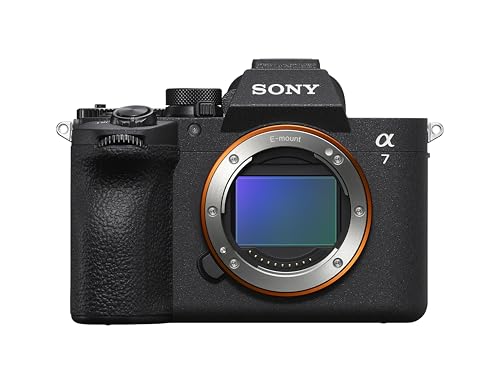
The Sony Alpha 7V represents a significant leap forward in mirrorless camera technology, combining a partially stacked Exmor RS sensor with the new BIONZ XR2 processor to deliver professional results across photography and videography. The camera's ability to shoot 30fps with continuous autofocus and exposure tracking, all without viewfinder blackout, makes it exceptionally capable for fast-paced shooting scenarios. The 33-megapixel sensor paired with advanced processing delivers an impressive 16 stops of dynamic range, allowing photographers to recover detail in both shadows and highlights that would be lost on lesser cameras.
AI-driven autofocus technology is where this camera truly excels. The improved human pose estimation delivers approximately 30% better recognition accuracy compared to previous models, with the ability to track multiple subjects simultaneously and maintain focus on eyes, heads, and bodies even in challenging conditions. Combined with the 5-axis in-body stabilization system offering up to 7.5 stops of correction, handheld shooting becomes viable in situations that would normally require tripods or faster lenses. The lightweight RAW format option is a thoughtful addition for professionals managing large shooting sessions and storage constraints.
Video capabilities are equally impressive, with 4K recording at up to 120fps and refined color science that maintains accurate, stable reproduction across varied lighting conditions. The BIONZ XR2 engine also enhances audio quality and streamlines workflow through improved file management and networking functions. For serious photographers and videographers seeking a full-frame hybrid camera that excels in both stills and motion, the Alpha 7V delivers the performance and reliability expected at this professional level.
| Sensor Type | Partially Stacked Exmor RS CMOS |
| Resolution | 33.0 Megapixels |
| Dynamic Range | Up to 16 Stops |
| Image Processor | BIONZ XR2 |
| Continuous Shooting | 30 fps (Blackout-Free) |
| Max Shutter Speed | 1/16000 s |
| Video Recording | 4K at 120fps |
| ISO Range (Still) | 100-51200 (Expandable to 50-204800) |
| ISO Range (Video) | 100-102400 (Expandable) |
| In-Body Stabilization | 5-Axis (7.5-step central, 6.5-step peripheral) |
| AF Technology | AI-Based Real-Time Recognition with Multi-Subject Tracking |
| Sensor Readout | 4.5x Faster than Alpha 7 IV |
| Format Options | Standard and Lightweight RAW |
Next-Generation AI Recognition
The Alpha 7V's AI-powered autofocus system represents a major advancement in subject recognition technology. The new BIONZ XR2 processor improves recognition accuracy by approximately 30% over previous generation, using sophisticated human pose estimation that analyzes detailed form and position data. This enables reliable eye detection and accurate recognition of body and head position, even with challenging subjects in complex scenes.
Multi-Subject Tracking
Unlike simpler autofocus systems, the Alpha 7V can simultaneously recognize and track multiple subjects, allowing photographers to select and maintain focus on their desired target. This is particularly valuable for sports, events, and wildlife photography where subjects move unpredictably. The Real-Time Tracking feature works seamlessly with the continuous shooting mode, ensuring consistent focus throughout 30fps bursts.
Expanded AF Coverage
The AI recognition works across the entire frame, not just center areas, providing flexibility in composition and subject positioning. The system's ability to maintain focus on body and head position makes it equally effective for portrait, sports, and documentary work.
Professional Video Capabilities
The Alpha 7V offers 4K recording at 120fps, providing exceptional flexibility for slow-motion work, color grading, and post-production. The BIONZ XR2 processor ensures accurate, stable color reproduction across varied lighting conditions, while the refined audio processing delivers broadcast-quality sound capture. The wide ISO range (100-102400 expandable) maintains image quality even in challenging low-light video scenarios.
Advanced Stabilization for Video
The 5-axis in-body stabilization system is particularly effective for video work, with up to 7.5 stops of central stabilization correction. This allows smooth handheld video shooting without requiring external rigs or stabilizers, and works in combination with compatible lenses for even greater stability. The system effectively suppresses shake amplification at telephoto focal lengths, common when recording with longer lenses.
Workflow Integration
The BIONZ XR2 engine includes refined networking and file management functions designed specifically for video professionals. The lightweight RAW format option reduces storage demands without sacrificing editing flexibility, making it practical for extended video shoots and post-production workflows.
5-Axis In-Body Stabilization
The Alpha 7V's advanced stabilization system combines optical correction with gyro sensor data and sophisticated algorithms to detect and counteract image shake. The system delivers up to 7.5 stops of central stabilization and 6.5 stops of peripheral correction, enabling handheld shooting at slower shutter speeds without boosting ISO sensitivity. This is particularly valuable for telephoto work where shake is naturally amplified, and for video recording where smooth motion is essential.
16-Stop Dynamic Range
The partially stacked Exmor RS sensor combined with BIONZ XR2 processing delivers an unprecedented 16 stops of dynamic range. This means the camera captures exceptional detail in both shadow and highlight areas simultaneously, reducing the need for exposure blending or extensive post-processing. Smooth gradations from shadows to highlights enable highly effective HDR processing when needed, and the wide dynamic range is particularly valuable for landscape, architecture, and high-contrast scene photography.
Noise Control Across ISO Range
Effective noise reduction applied at all sensitivities maintains high resolution throughout the ISO 100-51200 range (expandable to 204800). This means photographers can confidently shoot at higher sensitivities without significant image degradation, providing more creative control in low-light situations.

Pros
- Excellent autofocus system with deep learning subject detection outperforms many cameras in this price range
- Vari-angle touchscreen is ideal for vlogging, selfies, and shooting from unconventional angles
- 4K video quality with 6K oversampling delivers professional-grade footage for content creators
- Fast continuous shooting and high-speed 120fps Full-HD recording enable creative video possibilities
- Compact and lightweight body makes it perfect for travel and everyday content creation
Cons
- No in-body image stabilization means you may need external stabilization for smooth handheld video work
- Limited native RF-mount lens selection compared to Canon's EF ecosystem means fewer lens options at launch
The Canon EOS R50 represents a significant step forward for content creators and photography enthusiasts looking to transition from smartphones or entry-level DSLRs. The 24.2MP APS-C sensor paired with the DIGIC X processor delivers impressive image clarity and detail across a wide range of shooting conditions. The standout feature is undoubtedly the autofocus system, which covers the entire frame with 651 AF zones and utilizes deep learning technology to reliably track people, animals, and vehicles. This makes the camera exceptionally capable for video work where maintaining focus on moving subjects is critical.
Video performance is where the R50 truly excels for content creators. The ability to record 6K-oversampled 4K video at 30fps ensures you have plenty of resolution and detail in your footage, while Full-HD recording at up to 120fps opens creative possibilities for slow-motion effects. The vari-angle touchscreen LCD is a game-changer for vlogging and self-recording scenarios, allowing you to frame shots from virtually any angle without contorting yourself or using awkward mounting solutions. Built-in Wi-Fi and Bluetooth connectivity enable wireless file transfer and remote control via the Canon Camera Connect app, streamlining your workflow.
The camera's continuous shooting capabilities at up to 15fps with electronic shutter ensure you can capture decisive moments without missing the shot, while the expanded A+ Assist scene detection provides reliable auto mode performance even in challenging lighting situations like night scenes or backlit scenarios. The 2.36-million-dot electronic viewfinder offers a bright, detailed preview of your composition. For photographers and videographers seeking a compact, capable mirrorless system with excellent autofocus and video features, the EOS R50 delivers strong performance at a competitive price point.
| Specification | Details |
|---|---|
| Sensor Type | 24.2 Megapixel CMOS (APS-C) |
| Processor | DIGIC X |
| Autofocus System | Dual Pixel CMOS AF II with 651 AF zones, 100% x 100% coverage |
| AF Features | Auto subject detection and tracking for people, animals, and vehicles with deep learning |
| Continuous Shooting | Up to 12 fps (Electronic First Curtain), up to 15 fps (Electronic Shutter) |
| Video Recording | 6K oversampled 4K at 30fps, Full-HD at up to 120fps |
| Viewfinder | 2.36-million-dot EVF |
| Display | Clear View LCD II vari-angle touchscreen |
| Connectivity | Built-in Bluetooth and Wi-Fi |
| Included Lens | RF-S18-45mm F4.5-6.3 is STM |
| Camera Type | Mirrorless Digital Camera |
| Color | Black |
Who Should Buy This Camera?
The Canon EOS R50 is ideal for content creators, vloggers, and photography enthusiasts who want to step up from smartphone photography or entry-level DSLRs. If you regularly create video content for social media, YouTube, or personal projects, the 4K capabilities and advanced autofocus make this an excellent choice. The vari-angle screen is perfect for self-recording and unconventional angles. Photographers who value reliable autofocus and compact size will also appreciate this system.
Considerations Before Purchasing
While the EOS R50 excels in many areas, consider whether you need in-body image stabilization for handheld video work. The RF-mount ecosystem is newer than Canon's traditional EF mount, so lens selection may be more limited. Assess your lens needs and budget accordingly. If you're planning extensive video work in dim lighting without external lighting equipment, evaluate whether the camera's low-light performance meets your specific needs.
Getting Started
The included RF-S18-45mm lens provides a versatile focal range for most photography and video situations. Download the Canon Camera Connect app to your smartphone for wireless file transfer and remote control capabilities. Invest in quality SD cards rated for 4K video recording to ensure smooth capture and reliable performance.
Video Recording Capabilities
The EOS R50 delivers professional-grade video features in a compact package. The 6K-oversampled 4K recording at 30fps ensures you capture exceptional detail that holds up well in post-production editing and color grading. The Full-HD 120fps capability is particularly valuable for creating smooth slow-motion sequences without sacrificing quality.
Autofocus for Video
The advanced Dual Pixel CMOS AF II system with 651 zones provides seamless focus tracking during video recording. The deep learning-powered subject detection automatically identifies and follows people, animals, and vehicles, making this camera exceptionally reliable for documentary-style shooting, interviews, and dynamic action sequences. The Movie for Close-up Demo Mode intelligently switches focus to the nearest subject, useful for product demonstrations and close-up work.
Vlogging Features
The vari-angle touchscreen is a major advantage for vlogging and self-recording. You can easily frame yourself in the shot and monitor your composition without using external monitors or awkward setups. Built-in Wi-Fi and Bluetooth allow you to transfer footage wirelessly to your phone for quick social media uploads. The compact body and lightweight design make the camera easy to carry and operate during extended shooting sessions.
Mirrorless Cameras Buying Guide
Buying a mirrorless camera is a long-term investment. The body you choose largely determines which lenses you can use for years to come, so it’s worth thinking carefully before you commit to a mount ecosystem.
Below we walk through the most important factors our research uncovered, grouped by the decisions that matter most.
Sensor Size: Full-Frame vs. APS-C

Sensor size is the single biggest variable affecting image quality, low-light performance, and overall camera cost.
Full-frame sensors, like those inside the Sony a7 III and Sony Alpha 7 IV, capture more light per pixel and deliver shallower depth-of-field control that portrait and landscape photographers love.
They also command a higher price, both for the body and for compatible lenses.
APS-C sensors, found in cameras like the Canon EOS R100, Canon EOS R50, and Sony Alpha a6400, produce excellent image quality at a fraction of the price.
The smaller sensor also applies a crop factor that effectively extends the reach of your lenses, which is a genuine advantage for wildlife and sports photographers.
If you’re just starting out or shooting primarily in good light, an APS-C body is a smart, cost-efficient entry point.
Neither format is objectively superior. Your choice should depend on the subjects you photograph most, the lighting conditions you typically face, and the lenses you plan to build toward over time.
Autofocus System and Tracking Performance
Modern mirrorless autofocus systems are extraordinary by any historical standard.
Sony’s Real-Time Eye AF, seen in the Alpha a6400, and Canon’s Dual Pixel AF II, featured in the EOS R6 Mark II and EOS R8, both track human eyes, animals, and moving vehicles with impressive consistency.
For family photography, portraiture, or action shooting, reliable subject tracking changes everything.
Pay attention to how many focus points a camera offers and whether it uses phase-detection, contrast-detection, or a hybrid approach. Phase-detection systems lock onto subjects faster and hold them better during bursts, which matters enormously for sports and wildlife.
If you shoot a lot of video, look specifically for continuous autofocus that smoothly ramps rather than hunting noisily.
Video Capabilities
Nearly every mirrorless camera on this list shoots 4K video, but the quality of that 4K varies considerably. The Canon EOS R8 offers 4K at 60p, which is excellent for smooth slow-motion footage.
The Sony Alpha 7 V brings advanced AI autofocus and 30fps blackout-free burst shooting to a body that doubles as a high-end video platform.
For vloggers and content creators, features like a vari-angle touchscreen, a clean HDMI output, and a built-in microphone port matter just as much as raw resolution.
If video is your primary goal, also check whether the camera crops its sensor during 4K recording, as a heavy crop can change your field of view and make wide shots harder.
Overheating limits during extended recording sessions are another important consideration for video-focused buyers.
If you’re building a home studio or content creation desk, a height-adjustable desk paired with your camera rig can make long shooting and editing sessions far more comfortable.
Image Stabilization
In-body image stabilization (IBIS) allows you to shoot at slower shutter speeds without blur, which is a major advantage in low light and for handheld video.
The Sony Alpha 7 V features Sony’s 5-axis in-body stabilization, widely regarded as one of the most effective systems available.
The Canon EOS R6 Mark II also offers strong IBIS, making it one of the most versatile hybrid bodies in Canon’s lineup.
Entry-level cameras like the Canon EOS R100 and Canon EOS R50 typically rely on optical image stabilization built into the lens rather than a body-based system.
This is perfectly adequate for still photography in most conditions, but for handheld video it’s noticeably less effective than true IBIS. Factor stabilization into your decision if you shoot in dim venues or prefer not to carry a tripod.
Lens Ecosystem and Mount Compatibility

Your camera body is only the beginning of the investment. The lens ecosystem you choose defines your creative options for years. Canon’s RF mount has grown rapidly and now spans everything from ultra-wide primes to telephoto sports zooms.
Sony’s E mount is one of the most mature mirrorless ecosystems available, with an enormous selection of first- and third-party lenses at every price point.
Before committing to a body, research which lenses you’ll need within the next two or three years and compare their prices across both systems.
A body that looks affordable upfront can become expensive if the lenses you need are primarily high-cost options. Renting lenses before buying is a reliable way to evaluate fit without the full financial commitment.
Body Design, Ergonomics, and Weather Sealing
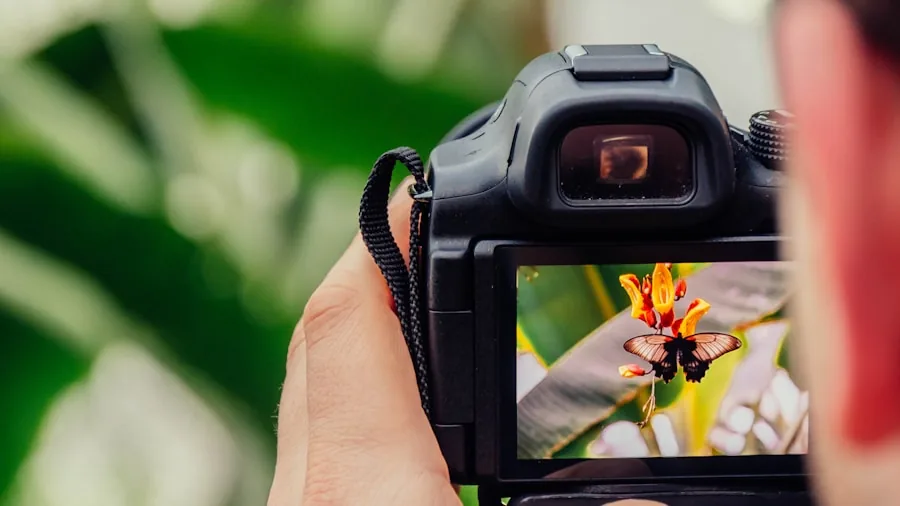
How a camera feels in your hand matters more than most spec sheets suggest. A body with a deep, well-textured grip reduces fatigue on long shooting days and gives you confident control over heavier lenses.
The Canon EOS R6 Mark II and Sony Alpha 7 IV both offer professional-grade ergonomics that feel natural during extended use. More compact options like the Canon EOS R100 trade grip depth for lighter, more pocketable dimensions.
Weather sealing protects your investment when shooting in rain, dust, or humid conditions. It’s typically found on mid-range and professional bodies rather than entry-level cameras.
If you shoot outdoors regularly, prioritize a sealed body from the start rather than replacing an unsealed one after your first rainstorm.
Pair your camera with a pair of durable waterproof hiking boots and you’ll be ready to shoot in almost any environment.
Battery Life and Connectivity
Electronic viewfinders and continuous autofocus are demanding on batteries, so mirrorless cameras generally offer fewer shots per charge than DSLRs. Carrying a spare battery is standard practice for any serious outing.
Check the CIPA rating for each model and read real-world reports, which often tell a different story than laboratory figures.
Wi-Fi and Bluetooth connectivity are now standard on most models, including the Canon EOS R100, and allow fast image transfer to smartphones for social sharing.
USB-C charging is increasingly common and lets you top up the battery from a power bank in the field. These small conveniences add up significantly on travel days or multi-day shoots.
Budget Ranges and Value Considerations

The cameras in this guide range from an accessible entry-level price point to a premium professional investment. Entry-level APS-C bodies like the Canon EOS R100 are ideal for beginners who want genuine image quality without spending more than necessary.
The Canon EOS R50 and Sony Alpha a6400 sit at a mid-range sweet spot that delivers advanced features without a full-frame price tag.
Full-frame bodies like the Sony a7 III, Canon EOS R8, and Canon EOS R6 Mark II represent a serious but justified step up for photographers who have outgrown APS-C limitations.
At the top of the range, the Sony Alpha 7 V and Sony Alpha 7 IV are comprehensive professional tools. When building your total budget, always factor in at least one lens, extra batteries, and a quality memory card.
If you’re unsure how to evaluate seller listings before buying accessories online, our overview of how to contact sellers on Amazon can help you ask the right questions before committing.
Why Trust RetailCoupons.com
RetailCoupons.com is an independent editorial platform with no financial relationship to any manufacturer or retailer. We do not sell cameras, process orders, or handle returns.
Our recommendations are based entirely on independent research: we analyze verified buyer feedback, compare official specifications, evaluate hands-on industry assessments from professional photographers, and cross-reference findings from multiple sources before drawing conclusions.
Our editorial team has evaluated mirrorless cameras across all price points, from compact APS-C beginner bodies to full-frame professional hybrids. We weigh real-world usability, long-term reliability, and ecosystem value alongside headline specifications.
We also monitor market pricing trends so our guidance stays relevant even as costs shift.
We’re particularly attentive to warning signs around misleading product listings, which is why we recommend checking our scam alert guide before purchasing from unfamiliar third-party sellers.
Every product shortlisted here represents a model we believe offers genuine, demonstrable value relative to its price tier. When a product doesn’t meet that standard, it doesn’t make the list.
Final Thoughts
The best mirrorless cameras in 2026 cover an impressive range of use cases, from ultra-compact beginner kits to sophisticated professional hybrids with AI-powered autofocus.
Sony and Canon dominate this segment for good reason: both offer mature ecosystems, well-supported lens lineups, and bodies that punch above their price class.
Whichever direction you go, investing in a mirrorless system will give you image quality and flexibility that a smartphone cannot match.
If you’re also looking for a companion screen to review your shots in detail, our roundup of top-rated TVs covers large-display options worth pairing with a camera setup.
Here are our top picks by use case:
- Best Overall: Canon EOS R6 Mark II with RF24-105mm Lens, a full-frame hybrid that balances resolution, autofocus speed, and video versatility better than almost anything at its price tier.
- Best Professional Upgrade: Sony Alpha 7 V, 30fps blackout-free bursts, AI autofocus, and 5-axis in-body stabilization make this the most capable body on the list for demanding professional work.
- Best Mid-Range Full-Frame: Canon EOS R8, a lightweight full-frame body with 4K 60p video and Dual Pixel AF II at an approachable price point for photographers ready to step up from APS-C.
- Best for Vlogging and Content Creation: Canon EOS R50 Kit with 18-45mm Lens, a vari-angle touchscreen, Dual Pixel AF II, and a compact form factor make this the strongest content-creator package on the list.
- Best Budget Entry Point: Canon EOS R100 with RF-S18-45mm Lens, delivers genuine 4K video, Wi-Fi, Bluetooth, and Canon’s RF mount at the most accessible price on this list, ideal for first-time buyers.
Frequently Asked Questions
What is a mirrorless camera and how does it differ from a DSLR?
A mirrorless camera omits the reflex mirror and optical viewfinder found in a DSLR. Instead, the image sensor is always exposed, feeding a live preview to an electronic viewfinder or rear screen.
This design allows for a more compact body, faster electronic shutters, and an autofocus system that operates across the entire sensor surface rather than a dedicated phase-detection module.
The practical result is a camera that shows you the exact exposure before you press the shutter, tracks subjects with greater accuracy, and records video with fewer limitations. Most photographers who switch from DSLRs rarely look back, though the lens investment makes cross-brand switching costly.
Is full-frame always better than APS-C for mirrorless cameras?
Not necessarily. Full-frame sensors provide advantages in low-light performance and background separation, but APS-C bodies are lighter, less expensive, and offer a useful crop factor for telephoto work.
For many everyday photographers, an APS-C camera like the Sony Alpha a6400 or Canon EOS R50 delivers all the image quality they will ever need.
The decision becomes clearer when you define your primary subjects and shooting conditions. A wildlife photographer benefits from the extra reach that APS-C provides. A portrait or wedding photographer generally prefers the larger sensor’s rendering and dynamic range. Neither choice is universally correct.
Which mirrorless camera is best for beginners?
The Canon EOS R100 is our top recommendation for first-time buyers. It offers 4K video, an intuitive menu system, Canon’s RF mount for long-term lens compatibility, and wireless connectivity at a beginner-friendly price.
The kit lens covers a versatile focal range that handles most everyday situations well.
Slightly above that, the Canon EOS R50 adds a vari-angle touchscreen and faster autofocus, which is a meaningful upgrade for vloggers and content creators.
Both bodies share the same RF mount, so any lenses you buy now will work on future Canon bodies as you grow.
Building a full creative station often extends beyond the camera itself, and a solid portable projector can be a useful addition for reviewing footage or presenting work to clients.
Can mirrorless cameras replace a professional cinema camera for video?
For most independent filmmakers, content creators, and documentary shooters, yes. Cameras like the Sony Alpha 7 V and Canon EOS R6 Mark II record high-quality footage with professional color science, log profiles for grading, and clean HDMI output.
They’re genuinely capable of producing broadcast and streaming-quality content.
Purpose-built cinema cameras still offer advantages in recording formats, cooling, and connectivity for high-end film productions.
But for the vast majority of video work, a well-specified mirrorless body combined with a good microphone and lighting setup delivers results that would have required a dedicated cinema rig just a few years ago.
Pair your setup with a good high-resolution monitor for accurate color grading during post-production.
How do I avoid buying a counterfeit or misrepresented camera online?
Stick to authorized retailers and Amazon listings sold directly by the brand or a verified authorized dealer.
Be skeptical of prices that appear dramatically below market value, as this is a common indicator of grey-market, refurbished, or counterfeit units being sold as new. Read seller feedback carefully and check return policies before committing.
Fake coupon sites and fraudulent discount pages targeting camera buyers have become increasingly common. Our guide to identifying online shopping scams is already linked above; if you haven’t read it, it’s worth a few minutes of your time before making a high-value purchase.
Do I need to buy a new lens when I switch to mirrorless?
In most cases, yes, at least eventually. Sony’s E-mount and Canon’s RF mount do not natively accept DSLR lenses without an adapter.
Canon sells an EF-to-RF adapter that works well with older Canon glass, and Sony offers LA-EA adapters for A-mount lenses. However, native mirrorless lenses are typically optimized to take full advantage of the autofocus and optical systems these cameras offer.
If you’re coming from a Canon DSLR system, using an adapter while you gradually build your RF lens collection is a cost-effective transition strategy.
Budget for at least one or two native lenses alongside your body purchase to get the most out of your new system from day one.
About the Author

Further Reading
Walking Shoes That Actually Keep You Comfortable All Day Long
Your footwear choice shapes how you feel from morning to night. Our editors researched and compared top options…

Top TVs From Samsung, LG, and Hisense Ranked for Every Room and Budget
From OLED to Mini LED QLED, there are more genuinely impressive TV options on the market right now…

Portable Chargers Ranked by Capacity, Speed, and Everyday Value
Staying powered on the go comes down to picking the right capacity, charging speed, and form factor. Our…

Baby Monitors Worth Buying for Every Home and Every Budget
From no-Wi-Fi audio monitors to smart cameras with sleep tracking, we compared twelve models to help you find…

Laptops Under $500 Worth Buying: HP, Dell, Lenovo, ASUS, and Acer Ranked
Not all affordable laptops cut corners where it matters. Our editors compared dozens of models to surface the…

Drip Coffee Makers Ranked for Brew Quality, Features, and Value
From budget-friendly basics to programmable powerhouses, these drip coffee makers were carefully researched to match every household size,…
Comments
Be the first to comment. Share your thoughts on this guide to help other readers.